
 My latest feature article for InfoWorld is a look at how competition is heating up in the chip market for mobile devices. With sales of traditional PCs and servers slowing and customers increasingly turning to smartphones and other devices to access the Internet, Intel is off in search of new markets. But to win share, Intel will have to compete with an unlikely contender — one far removed from Intel’s Silicon Valley stomping grounds.
ARM Holdings of Cambridge, UK has been manufacturing power-efficient chips for the embedded systems and digital device markets since the mid-1980s. Intel hopes to win away ARM’s customers with its newest, low-voltage Atom CPUs. But to do that, it will have to contend with a company whose business model is substantially different from the Intel Way. Click on over to read how the contest is shaping up, and be sure to leave your comments.


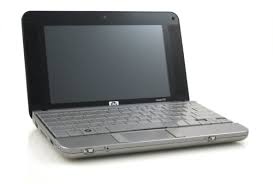 I have a new article up at InfoWorld this week, and this one is a little bit of a departure from my usual beats of software development and open source. This time, I’m talking about the ever-popular netbooks, and
  My latest feature for InfoWorld is sure to raise some folks’ hackles, but that’s OK by me. For years now, pundits have been predicting that Linux would take the desktop by storm, becoming a true rival to Windows. I suspect that won’t happen anytime soon. The inertia working against it is too strong. In this article, I examine some of the reasons